Many small business owners sit on a wealth of internal expertise.
Your subject matter experts know exactly how deals close. They understand why potential customers hesitate. They know what actually drives product adoption.
Yet, this brilliant knowledge rarely influences your sales pipeline. Many digital marketing teams default to generic search engine optimization playbooks. Or they try to scale content creation without a clear operational system. These failures derail your SME content strategy.
The resulting output is predictably poor. Your published blog posts rank inconsistently. They fail to earn valuable backlinks. They fail to drive meaningful organic traffic. They rarely support your overarching business goals in any meaningful way.
The root issue is never a lack of expertise. You simply lack a repeatable way to capture and structure that knowledge.
This guide introduces a practical workflow built around AI citation briefs. This scalable system turns raw thought leadership into structured, citation-ready, high-quality content. The goal is simple. You will publish effective content that reflects real expertise. This approach will naturally build trust with your buyers. It directly drives pipeline outcomes.
What is an SME content strategy (and how is it different from enterprise content marketing)?
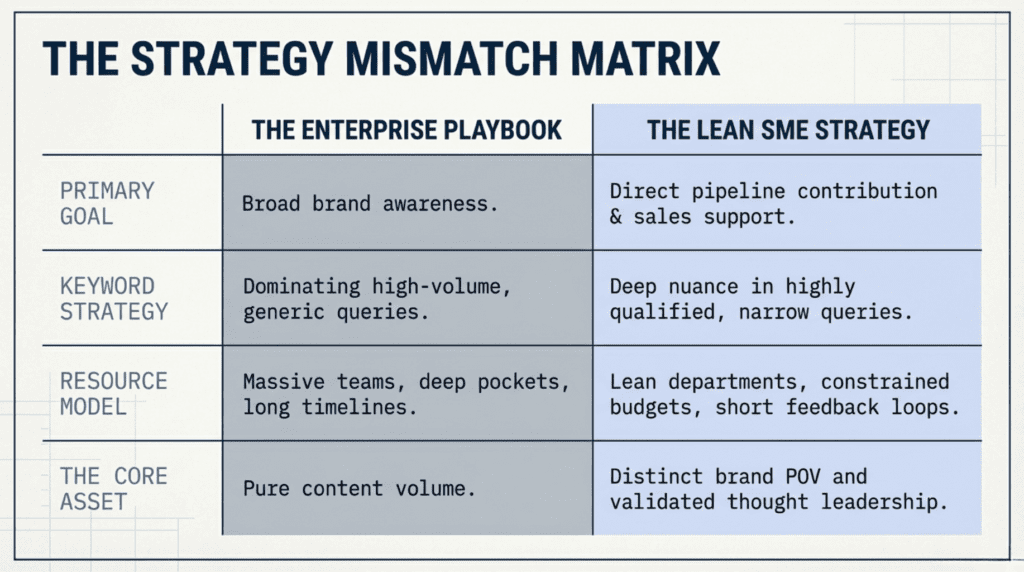
An SME content strategy is a resource-constrained approach to growth. It prioritizes high-impact, measurable outcomes over pure content volume. Broad brand awareness campaigns rarely work for a small business. You need targeted assets for your specific target audience instead. These specific assets must actively close deals and support your sales team.
An enterprise content marketing strategy relies on massive teams. It also requires deep pockets and long timelines. Small and medium-sized enterprises operate entirely differently. You have smaller marketing departments and tighter marketing budgets. You also experience shorter feedback loops.
Source: AI-generated image
Because you don’t have millions of dollars to spend on dominating high-volume, generic keywords, you have to win on nuance. A massive enterprise software company might rank for “What is Project Management,” but your SME content strategy should focus on “Why Agile Project Management Fails for Remote Marketing Agencies.” You win by going deep into narrow, qualified search queries.
Every piece of content must justify its existence. It must provide a direct, measurable pipeline contribution. You can’t afford to publish generic, uninspired articles. You must develop a distinct brand POV instead. This unique thought leadership separates a successful content strategy from well-funded competitors.
How should CMOs set goals, define audiences, and clarify positioning for an SME content strategy?
You must establish a firm foundation before writing a single word. Anchor your strategy in your existing product-market fit and clear positioning. Content amplifies what already works. It never creates demand from scratch.
Omniscient Digital builds strategy through deep buyer research and sales intelligence rather than raw keyword volume. Your content must address real customer objections across the entire customer journey. It must also target specific decision-making triggers to be effective.
1. Audit your current positioning and product-market fit signals
Start by conducting a thorough content audit of your current marketing assets. Look closely at your best existing customers. Identify exactly why they bought your product over a competitor. Your content must reflect these exact buying triggers. This understanding ensures you attract the right potential customers.
You should also evaluate the gaps in your current content library. Ask yourself what specific questions prospects ask that your website currently fails to answer. By conducting a gap analysis alongside your positioning audit, you instantly create a backlog of high-value topics that require urgent subject matter expert input.
2. Map content goals to pipeline and revenue metrics
Pageviews and social media likes don’t pay salaries. You must tie your business goals directly to qualified leads and closed-won revenue. Set clear targets for how your content will assist the sales team. Measure exactly how these assets move prospects down the marketing funnel.
For example, a strong goal is not “increase blog traffic by 20%.” A strong goal is “create four bottom-of-the-funnel case studies that the sales team can use to increase our demo-to-close conversion rate by 5%.” This forces your content creators to focus entirely on revenue-generating activities.
3. Define your ICP through sales conversations, not personas
Fictional buyer personas are largely useless for a lean team. Talk directly to your sales representatives to understand your ideal customer profile. Real sales conversations reveal the exact language your target audience uses. They also highlight the specific pain points your buyers experience every day.
Record these internal sales syncs. When a sales representative explains exactly how they overcame a prospect’s objection on a recent call, you have struck content gold. You can run that transcript through an AI tool to generate a citation brief, which then becomes a definitive blog post on handling that exact industry pain point.
SME content strategy framework
You need a systematic approach to content operations. This maximizes your output while maintaining high-quality content. Focus on repeatable processes and strategic content distribution instead of constant content creation.
Treat this framework as an integrated growth engine. Planning, production, and distribution must work together seamlessly to generate successful lead generation results.
1. Plan: Content pillars, topic strategy, and editorial calendar
You must determine the exact type of content your buyers need. Group your core topics into three or four distinct pillars. These pillars must reflect your product’s primary use cases. A robust SEO strategy guarantees these topics capture high-intent search traffic over time. You must target the exact phrases your buyers search for during their evaluation phase.
Develop a strict content plan around these core pillars. Align your content calendar directly with your product roadmap. Use a visual management tool to handle your content more efficiently. You must also synchronize it with upcoming sales initiatives. Meticulous planning ultimately prevents your team from scrambling for last-minute ideas. It ensures every published piece actively supports your overall business goals.
When planning your topics, prioritize “hub and spoke” models. Instead of writing isolated articles, plan one massive, definitive guide featuring heavy SME insights. Then, plan five smaller, highly specific sub-topics that link back to that central hub. This clustered approach signals deep topical authority to search engines and drastically improves your overall site architecture.
2. Produce: Repeatable workflows, templates, and approvals
The production stage is where most SME content strategies break down. Without a clear workflow, drafts stall in endless review cycles. Your subject matter experts quickly become operational bottlenecks. Consequently, your publishing timelines slip.
High-performing teams solve this by treating content production like a strict operational system rather than a creative exercise. Each step (from SME input to drafting to review) follows a defined sequence. You must establish clear ownership and firm handoffs.
This mirrors how engineering teams manage software releases. They don’t rely on manual coordination. Instead, they use automated deployments to move code from development to production through a structured pipeline. Platforms like DeployHQ exist to ensure every release follows a consistent, low-risk process. They eliminate the need for manual intervention or sheer memory.
Content teams must apply this exact same principle. You can systemize production with AI citation briefs, structured templates, and defined approval stages.
The process looks like this: A content manager interviews an internal expert for 30 minutes. Feed that transcript into a custom AI prompt instructed to pull out controversial opinions, hard data, and step-by-step methodologies. The AI produces a detailed citation brief. The writer takes this brief and expands it into a full article. Because the article is built entirely on the expert’s own words, the final review stage takes five minutes instead of five days.
You might be tempted to skip the interview process entirely and simply ask an AI tool to write the article from scratch. This is a catastrophic mistake. Generative AI models are notorious for “hallucinations,” which occur when the system confidently invents facts, statistics, or quotes that don’t actually exist. When you ask an AI to create content without strict guardrails, you risk publishing fabricated information that completely destroys your brand credibility. To understand the severity of this risk, you only need to look at what happens when professionals rely on ungrounded AI in high-stakes environments.
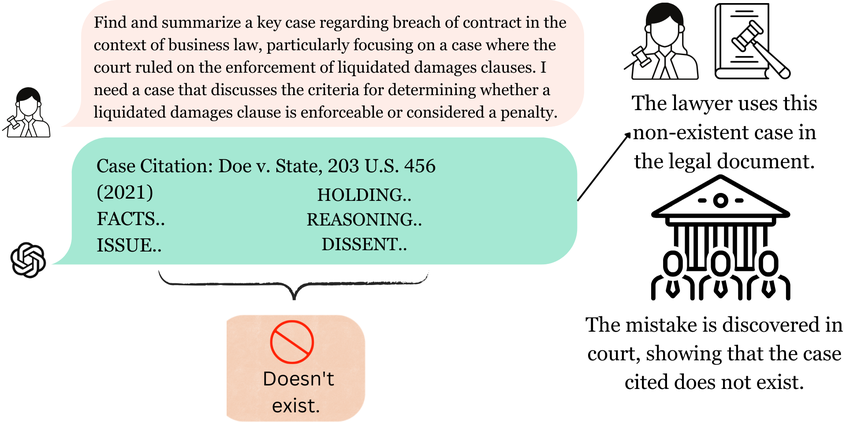
By grounding your AI workflow exclusively in your own verified transcripts, you protect your content from these dangerous hallucinations. During this systematized process, you must also carefully choose your authors. You need to weigh the distinct pros and cons of content writers vs SME subject matter experts. The decision between hiring content writers vs subject matter experts depends entirely on your available budget and timeline. External writers require strict guidance. You must master these 10 tips for interviewing SMEs to extract their raw knowledge effectively.
3. Publish and distribute: SEO, email, social, and repurposing
Search engine algorithms reward genuine expertise. However, you must still distribute your new assets aggressively across multiple marketing channels. You must ensure this relevant content reaches your buyers directly. Don’t simply publish and hope for the best. The “publish and pray” method completely wastes your expensive internal knowledge.
Treat content distribution as an equal partner to content creation. Never let a brilliant SME interview turn into just one blog post. You must repurpose these core assets relentlessly into different content formats. Turn a single citation brief into visual infographics or extract the most insightful quotes for your weekly email newsletters.
Marketing distribution alone is not enough. You must actively arm your sales team with these new resources. Your prospects demand valuable content during their actual sales conversations. Turn your published pages into actionable case studies and sales enablement collateral. This ensures your sales representatives actually use the documented expertise to close active deals.
How do you measure SME content strategy ROI and connect content to pipeline?
Measuring your content return on investment plagues most marketing programs. You must move beyond simple vanity metrics like pageviews. Leadership teams demand clear attribution models they can actually trust. Your marketing budget will disappear without concrete proof of value.
However, perfect measurement models don’t exist. You must prioritize usefulness over false precision in tracking. Focus heavily on directional indicators of success instead.
You need to track two different types of metrics. Leading indicators tell you if your strategy is gaining momentum. These include organic search impressions, email open rates, and keyword rankings. Lagging indicators tell you if your strategy is actually making money. These include qualified pipeline generated, customer acquisition costs, and closed-won revenue.
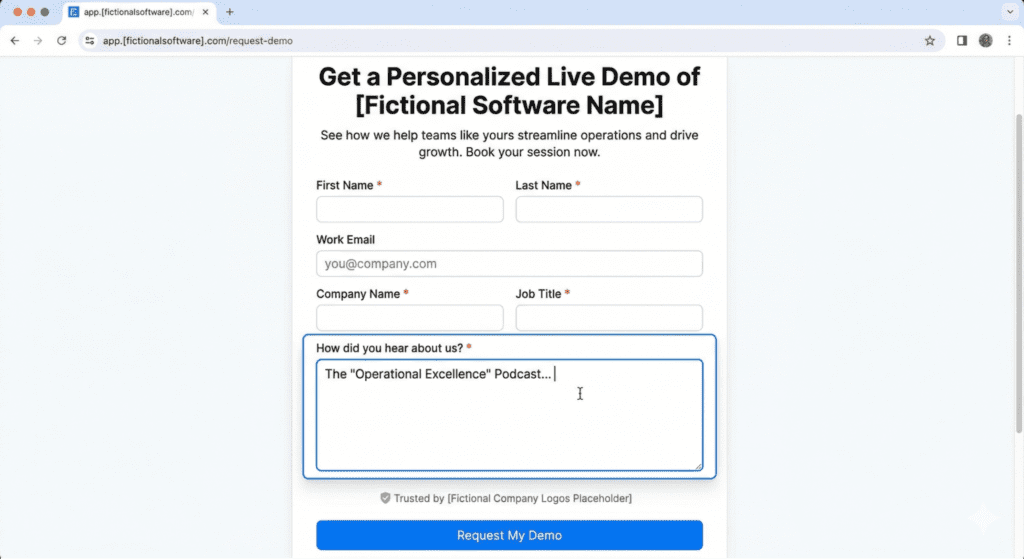
Implement self-reported attribution immediately. A simple “how did you hear about us” field on your forms is incredibly valuable. This raw data often provides better insights than complex tracking software. It reveals the dark social touchpoints platforms like Google Analytics miss entirely.
Source: AI-generated image
When a new lead types “I read Sarah’s article about agile workflows on your blog” into that form field, you have definitive, indisputable proof that your SME content strategy is generating actual revenue. No complex tracking software can provide that level of qualitative certainty.
Ninety-day SME content strategy rollout plan for CMOs
Implementing a new operational system takes time. This tactical roadmap acknowledges your competing priorities. It respects your inherent resource constraints as a lean team. You will build rapid momentum through quick wins.
This framework is a proven methodology. Omniscient Digital has refined this exact process over years of practice. We work specifically with marketing leaders who need measurable business impact rather than vanity metrics.
Days 0–30: Audit, messaging alignment, and quick-win backlog
Spend your first month auditing your existing assets. Align your core messaging directly with the sales team. This ensures complete consistency across all buyer touchpoints. Finally, build a prioritized backlog of quick-win topics. These initial pieces must answer your customers’ most common sales objections.
During this first month, you must also set up your AI citation brief prompts. Test different instructions with your preferred AI tool to ensure it accurately extracts your company’s tone of voice and technical terminology from raw transcripts. Don’t wait until production starts to refine your technical workflow.
Days 31–60: Launch the core content engine and distribution cadence
Launch your repeatable production workflows during month two. Start producing and publishing your new citation-ready assets. Test your various marketing channels simultaneously. Gather initial feedback directly from your sales representatives. Ask them if the new collateral helps them handle objections effectively.
This is the exact moment you transition from planning to ruthless execution. Schedule at least two 30-minute interviews with your top subject matter experts every single week. Build a backlog of recorded transcripts so your writers never run out of verified material to process through the AI citation workflow.
Days 61–90: Optimize for MQL/SQL impact and scale what works
Review your early performance data during the third month. Double down on the specific content formats generating marketing qualified leads. Discard the tactics that only drive empty website traffic. Scale the exact strategies that demonstrably contribute to your sales pipeline.
If your sales team reports that a specific article drastically shortened the negotiation phase with a major client, turn that article into a webinar. If an email sequence generated zero replies, kill the sequence and try a different format. Your third month is entirely about tightening the feedback loop between content marketing and sales execution.
Conclusion
Building a successful content engine doesn’t require an enterprise budget. It requires strict discipline and clear operational workflows. You must maintain a relentless focus on revenue generation. By implementing these structured frameworks, CMOs can transform scattered internal knowledge into a highly measurable growth channel.
Dig into our comprehensive Foundations of Content Strategy guide to decode how top SMEs transform raw expertise into compelling, strategic content that actually moves the needle for your business.